A trip lasting more than 20 hours is an ordeal even for the most resilient. You are confined to the space of a seat, dependent on the driver's mood, and subject to border queues. However, comfort in such a journey is 80% dependent on your "survival backpack" and behavioral strategy.
Here is a detailed guide on how to maintain your humanity and energy after covering thousands of kilometers.
1. Seat Selection Strategy
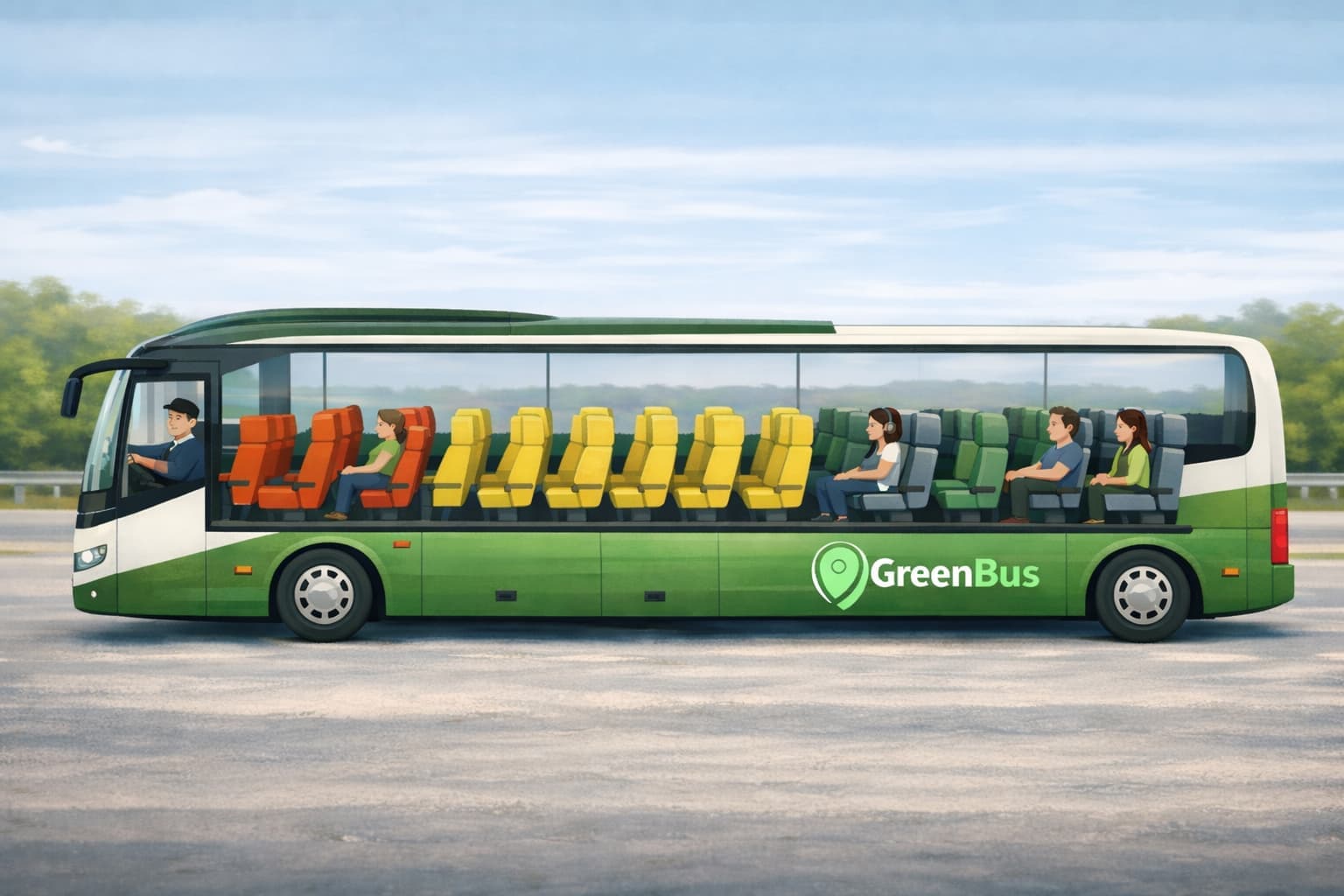
Your seat on the bus is your "micro-apartment" for the next 24 hours. If you have the opportunity to choose it in advance, consider these nuances:
- The Golden Mean: Seats near the second door usually have a bit more legroom due to the cabin's design. Additionally, vibrations on uneven roads are felt least here.
- The Front Rows: Ideal for those prone to motion sickness. A panoramic view of the road helps the vestibular system, and exiting at stops and customs control will be the fastest.
- Aisle or Window? By the window, you get a headrest support, which is critical for sleep. The aisle gives you freedom: you can stretch one leg into the corridor and won't disturb your neighbor when you want to get up.
2. Taming the Climate
The main trap of international trips: the air conditioner blowing mercilessly on your head during the day, and a cold floor at night.
- The "Layering" Method: Don't wear one thick jacket. Instead, wear a T-shirt, a light long-sleeve, and a hoodie. This way, you can regulate your body temperature by removing or adding layers.
- Change of Footwear: Your feet will start to swell after just 5 hours. Bring slippers or simply stay in warm socks (this will save you from the cold coming from the doors and floor).
3. Digital Independence
Do not rely on outlets — they often don't work or are occupied by other passengers.
- Energy: Bring a powerful Powerbank capable of at least two full smartphone charges.
- Psychological Defense: Noise-canceling headphones or high-quality earplugs are your only way to block out neighbors' conversations, crying children, or the driver's loud TV.
- Content: Download several episodes of your favorite series, podcasts, or audiobooks. Reading a physical book in motion is hard on the eyes and can trigger nausea.

4. Hygiene in Field Conditions
The feeling of dirty skin and a dry mouth is more exhausting than the road itself.
- "Dry Shower": Large wet wipes can substitute for a proper wash.
- Care: The dry air in the cabin instantly dehydrates lips and skin — lip balm and a small bottle of thermal water will be true lifesavers. Eye patches applied two hours before arrival will help reduce puffiness.
5. Health: How to Avoid Stagnation
The greatest danger of prolonged sitting is swelling and the risk of thrombosis.
- Compression: If you are prone to swelling, be sure to wear compression socks or stockings. They maintain vascular tone.
- Movement is Life: Use every gas station stop (even a 10-minute one) to get out and walk. While in your seat, periodically do "bicycle" movements with your feet and stretch your neck.
- Water Balance: Drink clean water in small sips. Avoid sugary sodas and excessive coffee — they only increase thirst and swelling.
6. Customs Control Without Panic
The border is always an unknown, lasting anywhere from 2 to 8 hours.
- Documents: Keep your passport, insurance, and tickets in a waist bag (fanny pack). You must be ready to exit the bus at an officer's request within 30 seconds.
- Prohibited Items: Check customs regulations regarding food (meat, milk, alcohol) in advance. It is easier to throw away a ham sandwich than to pay a fine or delay the entire trip.
Checklist: "What to Take into the Cabin":
- Sleep: U-shaped pillow + eye mask.
- First Aid Kit: Sorbents, painkillers, plasters, motion sickness remedies.
- Food: Nuts, energy bars, apples (avoid foods with strong odors).
- Money: Small change in Euros/Zlotys (for paid toilets at gas stations).

7. Traveling with Children: Keeping Peace in the Cabin
A child on a bus is a challenge not only for the parents but for all passengers. The key to success is a constant change of activity.
- "The New Toy": Buy several small, inexpensive toys and hand them out one by one every 3–4 hours. The novelty effect will keep the child interested longer than a single favorite doll.
- Mess-Free Creativity: Use sticker books, magnetic drawing boards, or water coloring books. Avoid markers and playdough — they will ruin clothes and seats during bumps.
- Snack Pauses: Prepare a "surprise lunch box" with sliced fruit, homemade cookies, or fruit leather. The process of choosing and eating treats is also a form of entertainment.
- Audio Stories: When the child gets tired of the tablet screen, audiobooks in headphones will help them relax and fall asleep.

8. Customs and Food: What is Allowed and Prohibited
The worst thing that can happen at the border is a full luggage inspection because of a forgotten ham sandwich in your bag.
- Strict Prohibition: It is categorically forbidden to bring dairy and meat products (cheese, sausage, lard, pates) into EU countries. Even if it's a snack for the road, you may be forced to throw it away.
- What is Safe to Bring: Cereal, nuts, dried fruits, protein bars, crackers, galette cookies. You can bring prepared vegetables and fruits (but in moderate quantities).
- Alcohol and Tobacco: Strictly follow the limits (usually 2 packs of cigarettes and 1 liter of strong alcohol per adult). Exceeding the limit means a guaranteed fine and a delay for the whole bus.
- Medicine: If you take specific medications, always carry a doctor's prescription with a stamp, especially for strong painkillers or sedatives.
9. Psychological Resilience: Set a Positive Tone
The last hours of the journey are the hardest.
- Break Time into Segments: Don't think about "another 10 hours." Think "2 hours until the next stop, where I'll have a coffee." Small goals are easier to achieve.
- Avoid Conflict: There will always be someone talking loudly or reclining their seat too far. Resolve issues calmly through the driver or a polite request — aggression will only drain your own energy.
Conclusion: 30 hours on a bus is not a catastrophe; it is simply a long technical pause between your home and your new destination. Prepare once, and you will notice how much easier every subsequent journey becomes.